


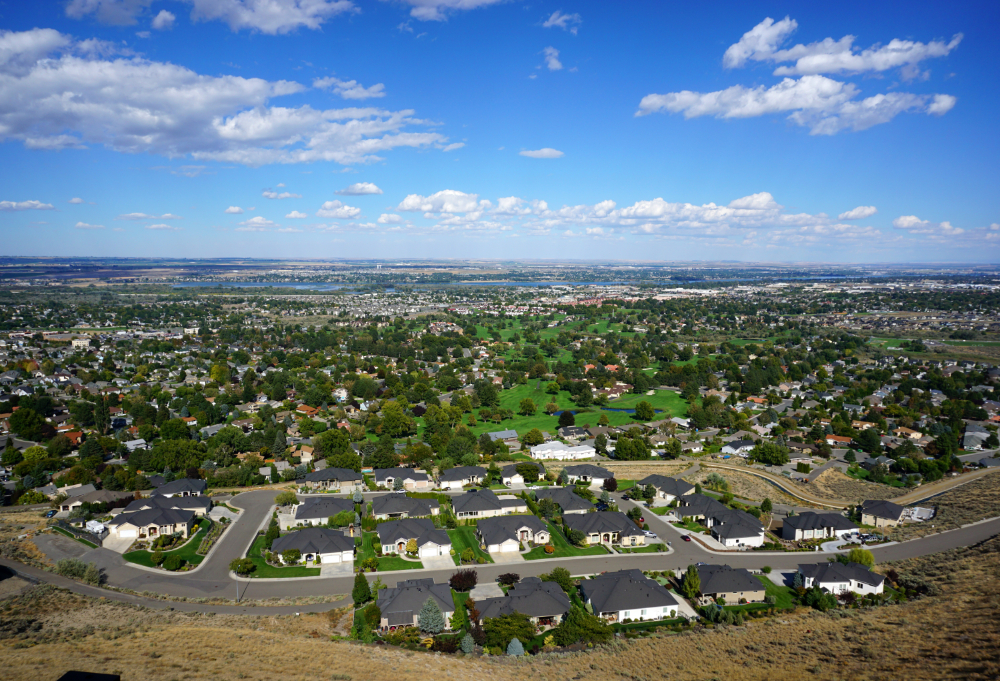
Moving to a new city is exciting, but it can also be overwhelming. If you’re considering relocating to Kennewick, Washington, you’re making a decision that deserves careful consideration. Kennewick has grown significantly over the past decade, attracting newcomers from across the country. However, many people who move here discover that the reality differs from what they expected. This guide will help you understand what life is really like in Kennewick before you pack up your belongings.
Understanding the Climate and Weather Patterns
The climate in Kennewick might surprise you if you’re coming from a coastal state or humid region. Kennewick experiences a semi-arid climate with hot, dry summers and mild winters. Summer temperatures regularly exceed 95 degrees Fahrenheit, sometimes reaching over 100 degrees. The lack of humidity makes the heat more bearable than in other parts of the country, but it’s still intense.
Winter is considerably gentler than in many other parts of the United States. Snow is rare, and when it does fall, it melts quickly. This is one reason many retirees and people seeking to escape harsh winters choose Kennewick. However, the area experiences significant wind in spring, which catches many newcomers off guard. The Columbia River creates wind corridors that can make March and April particularly blustery.
One factor that surprises new residents is the amount of sunshine. Kennewick averages over 300 days of sunshine annually. If you’ve been living somewhere gray and overcast, this abundance of clear skies might feel refreshing at first, but some people find the constant brightness and dry air requires adjustment. Invest in good sunscreen, quality sunglasses, and a humidifier for your home.
The Real Estate Market and Home Buying Expertise
The housing market in Kennewick has evolved considerably. Five years ago, homes were significantly cheaper than the national average. Today, prices have climbed substantially, though they remain more affordable than many West Coast markets. If you’re planning to purchase property, working with a local real estate agent in Kennewick is essential. They understand the neighborhood dynamics, school districts, and flood zones that a general real estate broker might not fully appreciate.
When searching for your home, understand that Kennewick has distinct neighborhoods with very different characteristics. The downtown area is experiencing revitalization, attracting younger professionals and families who want walkability. West Kennewick offers larger lots and a more suburban feel. South Kennewick is expanding rapidly with new developments, while North Kennewick remains quieter and more established.
Flood risk is a critical consideration that many people overlook. Kennewick sits in a valley with the Yakima River and Columbia River nearby. Some neighborhoods experience periodic flooding, which affects insurance costs and property values. A home buying expert in Kennewick can explain which areas have the highest risk and help you understand flood zone maps. This information is crucial before making an offer.
Property taxes in Washington State are lower than in many states because there’s no state income tax. However, real estate prices have risen faster than property taxes, making the overall tax burden somewhat higher than before. Factor this into your budget when calculating homeownership costs.
Employment, Cost of Living, and Economic Realities
Kennewick’s economy traditionally centered on agriculture and the Hanford Site, a Department of Energy facility. Today, the economy is more diversified, with healthcare, education, and service industries providing significant employment. However, job availability varies depending on your field. Tech workers, nurses, teachers, and healthcare professionals find ample opportunities. If you’re in a specialized field, research thoroughly before committing to the move.
The cost of living in Kennewick is moderate compared to other Pacific Northwest cities. Groceries, utilities, and gas are reasonably priced. However, don’t assume everything will be cheap. Housing prices have appreciated significantly, and some areas have become quite expensive. Rental prices have also increased, making it harder for new residents on modest incomes.
One surprising aspect of living in Kennewick is the wage-to-cost-of-living ratio. While wages in some industries remain relatively low, housing costs have climbed. This creates a affordability challenge for many service industry workers. If you’re relocating for a job, verify that your salary will comfortably cover both housing and living expenses.
Lifestyle, Culture, and Community Expectations
Kennewick is a mid-sized city of about 80,000 people that feels smaller than it actually is. The Tri-Cities area, which includes Kennewick, Pasco, and Richland, has a combined population of around 300,000, but each city maintains its own identity. Kennewick has outdoor recreation opportunities, including river activities, hiking, and wine country nearby. The Tri-Cities wine region produces excellent wines and has growing tourism.
However, newcomers sometimes find the cultural offerings limited compared to larger metropolitan areas. Live theater, art galleries, and concert venues exist, but the selection is modest. If you’re accustomed to major city cultural events, you may need to travel to Seattle (about three hours away) for certain entertainment experiences.
The community tends to be friendly but also tight-knit. Longtime residents often have deep roots, and making friends as a newcomer requires effort. Joining clubs, churches, volunteer organizations, or professional groups helps you build social connections. The younger professional community is more fluid, with people moving in and out regularly, which can make relationship-building easier for that demographic.
Finding Relocation Services and Getting Settled
When moving to Kennewick, relocation services can simplify the transition considerably. These services help with everything from temporary housing to school enrollment for children. Major moving companies operate in the Kennewick area, and several local moving specialists understand the community well.
Beyond moving logistics, consider hiring a local real estate agent in Kennewick who offers relocation support. Many agents provide information about neighborhoods, schools, utilities, and community resources. This guidance proves invaluable when you’re new to the area and unfamiliar with local systems and preferences.
Organizations like the Kennewick Chamber of Commerce offer resources for newcomers. Several local Facebook groups and community forums provide advice from people who have recently relocated. These online communities often answer questions about specific neighborhoods, schools, and services that you won’t find in official resources.
One practical consideration involves driver’s licenses and vehicle registration. Washington State has specific requirements for establishing residency, and you’ll need to navigate the Department of Licensing offices. Plan ahead, as these offices can have long wait times, particularly in Pasco and Richland, which share some service centers with Kennewick.
Conclusion
Moving to Kennewick, Washington, offers genuine advantages including affordable housing relative to other West Coast markets, abundant sunshine, and a growing community with improving amenities. However, success depends on understanding what the area offers and doesn’t offer before you arrive. Work with relocation services and a knowledgeable local real estate agent in Kennewick to make informed decisions. The move can be wonderful if you approach it with realistic expectations and thorough preparation.